
The beginning of a new homeschool year can bring a mix of excitement and uncertainty.
There are new books to open, schedules to figure out, goals to set, and plenty of ideas about what you hope the year will look like. You may be starting with a carefully planned routine, or you may still be figuring things out as you go.
Either way, you don't need to have everything perfectly planned for your family to have a successful school year.
Some of the best learning happens when we give ourselves room to adjust, pay attention to what our children need, and focus on steady progress rather than trying to get everything right from the very beginning.
Here are five simple ways to help your family start the homeschool year with confidence.
1. Start With a Simple Routine
It can be tempting to begin a new school year with a detailed schedule for every subject, activity, and hour of the day. But sometimes starting simple makes it easier for everyone to adjust.
Think about the few things that will help anchor your family's day. Maybe it's beginning lessons around the same time each morning, reading together after lunch, or setting aside a specific part of the day for independent work.
A routine should support your family, not make you feel like you're constantly falling behind.
Give yourself permission to start with a basic rhythm and build from there. After a few weeks, you'll have a much better idea of what is working and what may need to change.
2. Set Realistic Expectations
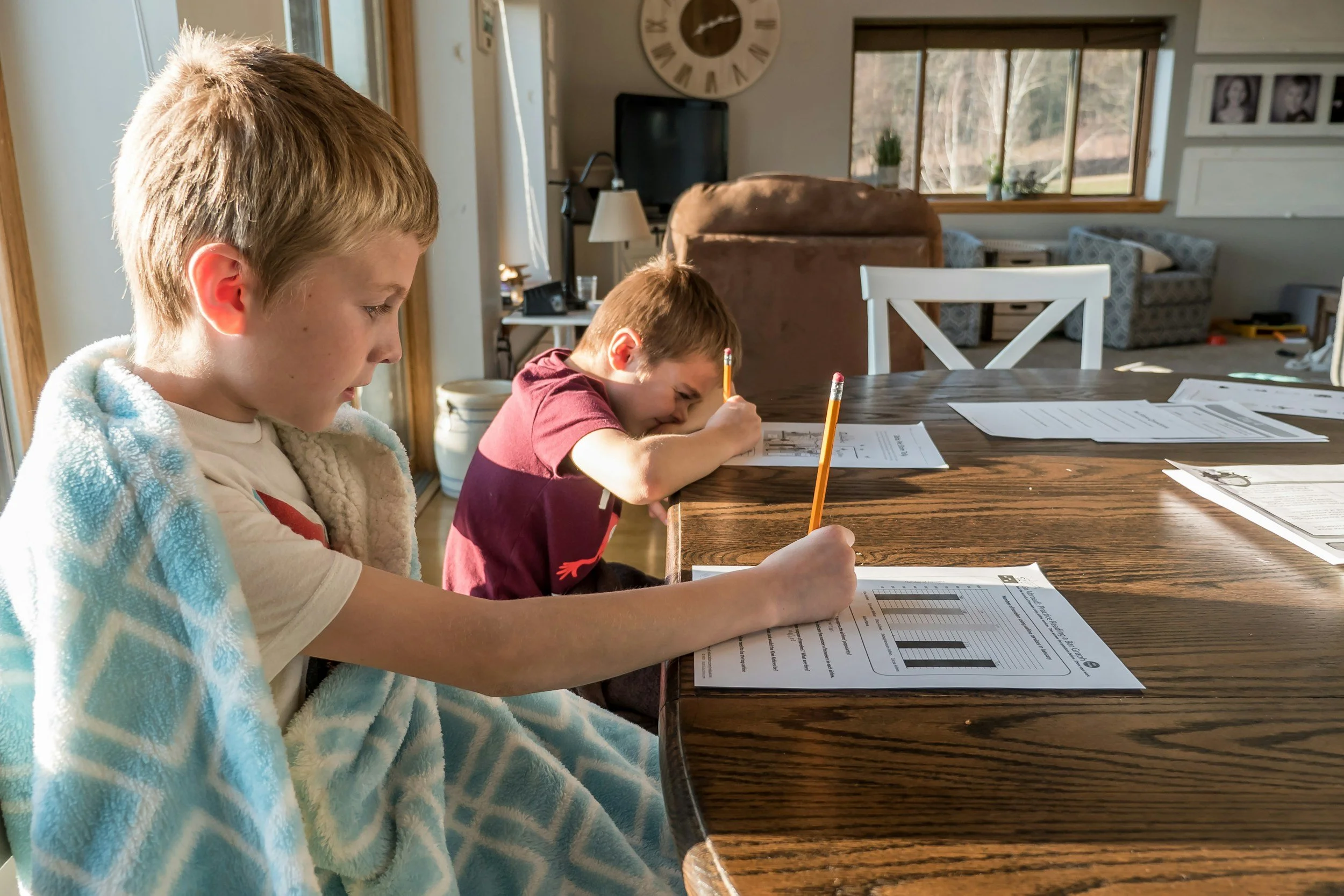
A new school year doesn't mean every day will go according to plan.
There will be lessons that take longer than expected. A child may struggle with something you thought would be easy. Some days will be incredibly productive, while others may need a little more flexibility.
That's okay.
Instead of measuring a successful day by how many boxes you checked, look at the learning that happened.
Did your child understand something they didn't understand yesterday? Did they ask a thoughtful question? Did they keep trying when something was difficult?
Those moments are important signs of progress.
3. Build Confidence Through Small Wins
Confidence grows when children begin to see themselves as capable learners.
That doesn't mean everything needs to be easy. In fact, working through challenges can create some of the most meaningful opportunities for growth.
Look for ways to acknowledge effort and improvement throughout the day. Maybe your child read a difficult paragraph independently, remembered a multiplication fact they've been practicing, contributed to a discussion, or completed an assignment that previously felt overwhelming.
Take time to recognize those moments.
When children begin to notice their own progress, they're more likely to approach the next challenge believing they can work through it, too.
4. Make Room for Connection
Homeschooling gives families wonderful opportunities to learn together, but children can also benefit from learning alongside other students.
Reading a book with a group, discussing an interesting topic, working through a new concept together, or simply having friends who are learning alongside them can bring a different kind of energy to the school day.
Community gives children opportunities to listen to different ideas, participate in conversations, ask questions, and build relationships.
It can also be encouraging for parents to know they aren't navigating the school year alone.
Whether that community comes through a class, a reading group, a learning co-op, or another local opportunity, connection can become an important part of your child's learning experience.
5. Give Yourself Permission to Adjust
The routine you create in August doesn't have to be the routine you follow all year.
One of the benefits of homeschooling is the ability to notice what your child needs and make changes when something isn't working.
Maybe a subject works better earlier in the day. Maybe your child needs more movement between lessons. Maybe a curriculum isn't the right fit. Or perhaps your family discovers that adding a class or learning group provides the support you've been missing.
Making an adjustment doesn't mean your original plan failed. It simply means you're paying attention.
Your homeschool can change as your children grow, their needs change, and you learn more about what helps them thrive.
You Don't Have to Figure It All Out at Once
A successful homeschool year isn't built in one perfect first week.
It's built through the small things you do consistently: showing up, encouraging your child, adjusting when needed, celebrating progress, and creating opportunities for meaningful learning.
And you don't have to do all of it alone.
The Mrs Emily Teaches Learning Co-Op was created to give students a supportive learning community where they can strengthen academic skills, connect with other students, and grow in confidence.
Our first quarter begins September 15, and enrollment is still open.
If you're looking for additional support and community for your child this school year, I'd love to have you learn more about the Co-Op and see if it's a good fit for your family.
